
Understanding Autism
Everybody on the planet has a different brain, and that’s okay.
Amethyst Schaber: Ask an Autistic – What is Neurodiversity?
Children receive a diagnosis of autism when the child’s behaviour is described in the Diagnostic and Statistical Manual of Mental Disorders published by the American Psychiatric Association.
While the label is the same, the experience of autism is different for every person. In her book, “You’re Going to Love This Kid!” Paula Kluth organizes those differences as a set of useful categories. Each autistic person is affected in different ways and to different degrees in each category (and there are probably others that we don’t yet recognize). However, this list of differences is a starting point for learning how to help individual people feel comfortable, supported and understood.
Sensory Differences
Having sensory differences means that people either need and seek sensory input, or else find sensory information overwhelming. This can be different not just from person to person, but also from sense to sense within the same person. Someone might enjoy a certain kind of sound, for example, but be overwhelmed by another. It’s complicated! But as you get to know someone, you will become familiar with their reactions to the sensory world.
Autistic people are often very perceptive. Attunement to sensory information in ways that others may not even notice can be an advantage. For example, some autistic people have perceptive skills that make them especially skilled in areas such as scientific observation, electronics, animal care, drawing or music.
We all learned about five senses, but actually there are three more.
- proprioception – sensing where the parts of your body are
- vestibular – sensing your body’s orientation in space
- interoception – sensing the internal state of your body
This handout explains how differences in sensory processing can lead to differences in behaviour.
Movement Differences
Research in recent years is finding that autistic people can have differences in the way they plan and coordinate physical movements (motor planning). These differences may seem to come and go, depending on the situation and how a person feels on a given day. These changes from day to day may be misunderstood, but it is important to know that movement differences are NOT intentional. You might notice:
- excessive or unexpected movements,
- lack of expected movement
- uneven gait
- repetitive movements
- unintentional speech
- gaze avoidance
These differences mean that autistic people might need time and patience to change what they are doing, or to learn a new skill. It also means that if something isn’t working right now, it might go better if they try again later. But it is not fair, kind or helpful to push people into action that isn’t comfortable for them when they are not ready.
Communication Differences
Autistic children and adults may not speak at all, may use verbal language with a lot of repetition (echolalia), or may be fluent speakers with some difficulty understanding nuances of language (sarcasm, metaphors, subtlety, etc). Even verbally expressive autistic people may have difficulty communicating their needs, wants, or preferences.
Even when a child with autism uses words, it’s not uncommon for them to speak in unusual ways or to have problems with the nonverbal parts of communicating. We use nonverbal communication to understand wants and desires, recognize emotions, and get a sense of how others feel about us. On the other hand, sometimes children with autism are very attuned to other people’s emotions.
If a child seems withdrawn or unresponsive, it is not because they don’t want to connect with others. It is more likely that they just don’t know how, and communicating in the way others expect may not feel natural to them. Autistic people might do things like:
- start an interaction and then fail to continue,
- use echolalia (repeating memorized words or sentences) as a way to interact. They might want you to repeat words back to them.
- end a conversation suddenly.
- communicate to get needs met, but not share experiences or answer questions
If this is what you see, the person is communicating in the ways that they can right now. Give them some support, and explore ways of communicating that work for them.
Thinking and Learning Differences
Children with autism can be very focused. Certain ideas or interests will be very important to them, and may take up a lot of their time. You may notice it is very hard for a child to shift from these interests to other topics. This can be a positive trait – sometimes intense interests can lead to social connection, rewarding hobbies, and future employment.
Academic learning can take different pathways as well. A percentage of children with autism are hyperlexic – they learn letters and can decode words at an early age with a lot of proficiency, but reading comprehension may lag behind. Others with autism may find it difficult to learn to read at all. Intelligence may be expressed through other avenues – music, mathematics, or drawing are frequent examples. It’s important to look for a child’s strengths and offer them opportunities to expand those abilities, as well as working to support more challenging areas of learning.
Social Differences
Children with autism often interact with and respond to other people in unexpected ways. It’s important to recognize that their desire for connection and love and belonging is the same as it is for everyone.
Say hello. Smile. Wave. Comment on the things you see that they are interested in. Congratulate successes or recognize happy moments. Offer comfort and see if what you do is actually comforting – and if it isn’t, try another way. Communication and connection grows out of time spent together. The difference may just be that you need to use fewer words and respect sensory differences.
You may also need to help children with autism understand boundaries, as they can have trouble reading nonverbal cues or understanding expected and unexpected behaviours in different situations. Social stories and explicit teaching can be very helpful as strategies for children with autism to understand their social world.
For Further Learning
The best way to understand autism is to listen to people who experience it. There are now many books written by autistic people, or by people who listen to understand. Here are some great books to read:
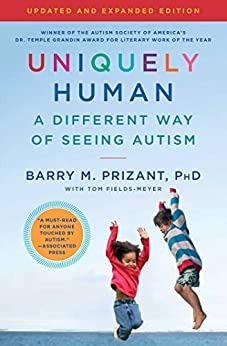
Prizant, Barry. Uniquely Human: A Different Way of Seeing Autism
A look at how characteristics of autism that may puzzle us really show us that everyone has the same feelings and needs, and that people respond to the world in ways that make sense, when we understand their perspective (review here.)
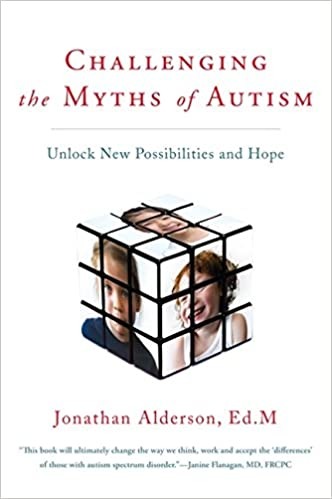
Alderson, Jonathan. Challenging the Myths of Autism.
There are many misunderstandings about autism, and Jonathan Alderson works through ten of them. Bottom line: kids with autism grow and learn, as any child does. As in the Prizant book, there is helpful advice for parents here.
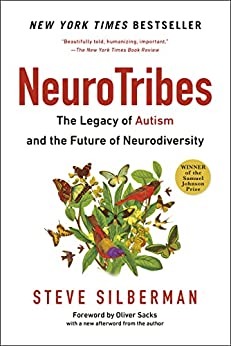
Silberman, Steve. Neurotribes.
For history buffs, this book provides an understanding of where the diagnosis of autism comes from, how people with autism have always contributed to our society, and how perceptions of autism have changed over time.
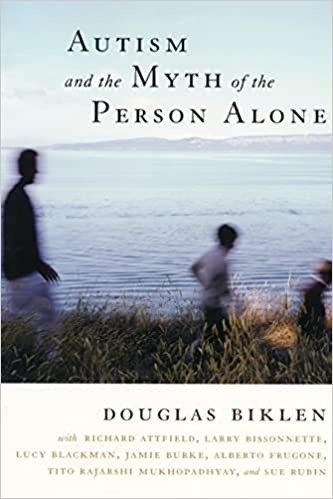
Biklen, Douglas. Autism and the Myth of the Person Alone
The heart of the book consists of chapters by people with autism themselves, either in an interview format with the author or written by themselves. Each author communicates either by typing or by a combination of speech and typing. The author’s role is to collect the interviews and provide context, along with some very thought-provoking commentary.
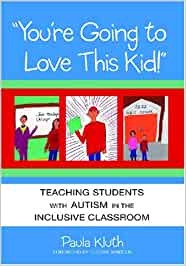
Kluth, Paula. “You’re Going to Love This Kid!”
Written for educators, this is also a really good introduction to autism for anyone living or working with kids with ASD. There is a lengthy section describing what autism can mean in a person-centered approach to the topic, as well as specific suggestions on helping autistic kids thrive where they are.
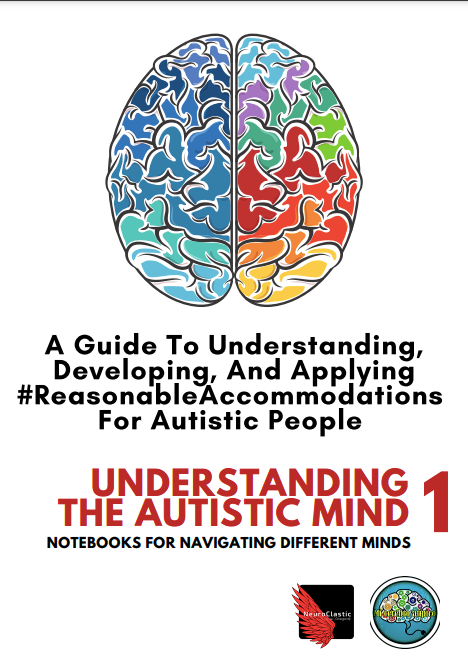
Understanding the Autistic Mind 1; A Guide To Understanding, Developing, And Applying Reasonable Accommodations For Autistic People
This guide summarizes what hundreds of autistic people around the world (speakers and non-speakers) have discovered about the atypical way their minds work, the difficulties they face daily, and how we all can develop and provide reasonable accommodations for autistic people to cope and to thrive.

Colson, Emily. Dancing with Max.
This is a parent memoir. The author doesn’t hold back on the challenges, but she always spotlights the joy that her son brings into the world around him because of who he is. She also writes about some interesting communication strategies that she and her son developed together. This book is a great reminder that the world is a better place because it has all kinds of people. For updates and a source of encouragement, you can follow Emily Colson on Facebook.
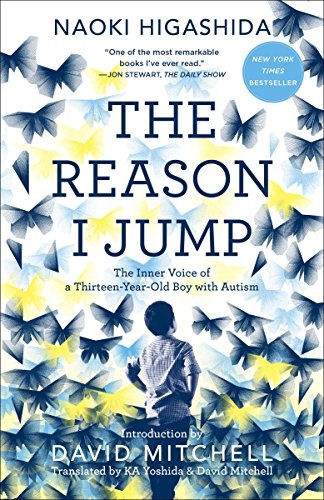
Higashida, Naoki. The Reason I Jump.
Naoki Higashida was only a middle-schooler when he began to write The Reason I Jump. Autistic and with very low verbal fluency, Naoki used an alphabet grid to painstakingly spell out his answers to the questions he imagines others most often wonder about him: why do you talk so loud? Is it true you hate being touched? Would you like to be normal? The result is an inspiring, attitude-transforming book.
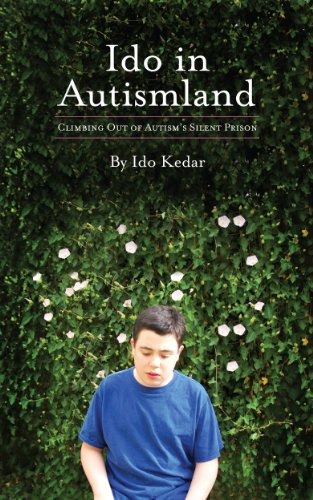
Kedar, Ido. Ido in Autismland
Ido Kedar, a brilliant sixteen year old with autism, challenges what he believes are misconceptions in many theories that dominate autism treatment today while he simultaneously describes his personal growth in his struggles to overcome his limitations.
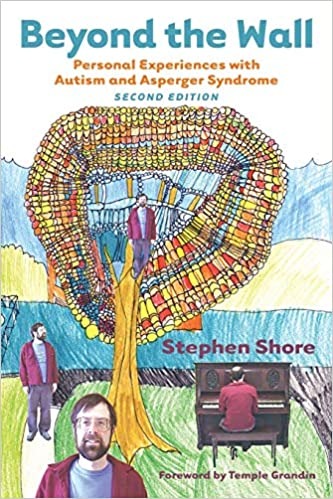
Shore, Stephen. Beyond the Wall: Personal Experiences with Autism and Asperger Syndrome.
Stephen Shore is an educator, musician, and researcher as well as a writer. He relates his personal and professional experiences in a simple and open manner, creating an informative, user-friendly text that sheds new light on the trials and tribulations of those with Asperger Syndrome.

Schellenberg, Angeline. Tell Them It Was Mozart.
This is a collection of poems by a Winnipeg author – unique because rather than sharing a narrative, poems encapsulate important moments and emotions in the life of this family. Many will relate to what they find here.

Falk, Kalyn. Mother of the Year and Other Elusive Awards
Kalyn Falk is also a Winnipeg author. This well-written and honest book is an engaging memoir.
Book Recommendations for Kids:
Sometimes we need a book to explain to all children what autism is, and to remind them that even when people seem different, they aren’t as different as we think. These books are for building understanding and empathy.
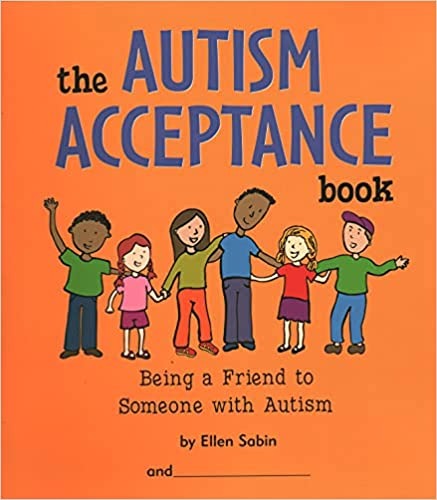
Sabin, Ellen. The Autism Acceptance Book (review here.)
This is actually a workbook. Each section considers an area of life in which children with autism may seem different, but are actually behaving in ways that work for them. It is a great introduction for children to the challenges faced by people with autism while also supporting their personal journey toward appreciating and respecting people’s differences.
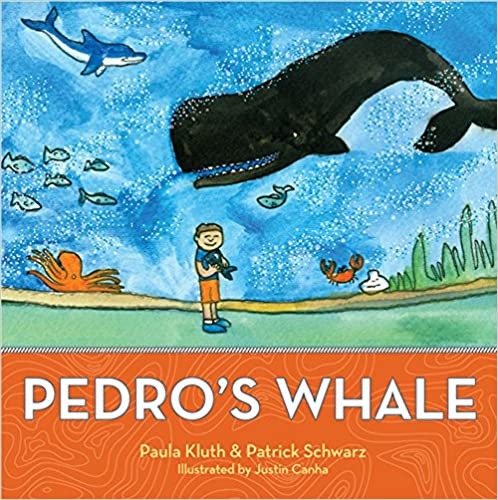
Kluth, Paula and Patrick Schulz. Pedro’s Whale
Pedro, a young boy who loves whales more than anything, is heartbroken when he’s told to put away his favourite toy whale on the first day of school. But then Pedro’s teacher discovers the secret to helping him do his best work: not only giving him the whale, but also incorporating his special interest into the whole curriculum. Soon Pedro’s whale is helping all the children learn…
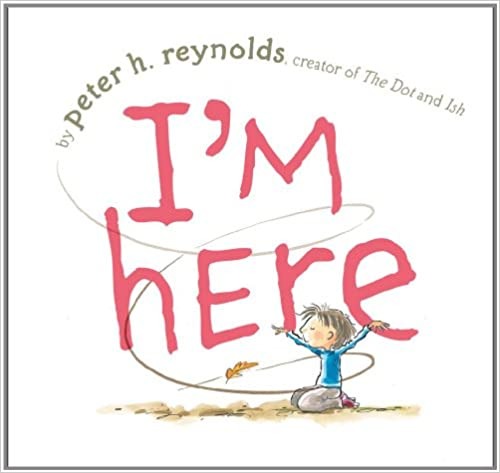
Reynolds, Peter. I’m Here
This short, poignant book is a good choice as a discussion starter, either with individual children or small groups. It was written with an autistic child in mind, but is a reflection for everyone about loneliness and the potential for connection.
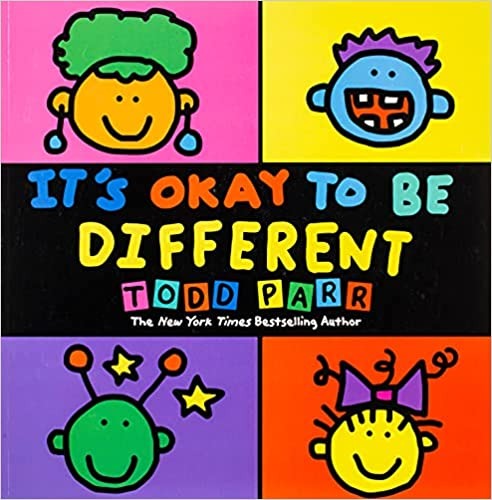
Parr, Todd. It’s Okay to Be Different.
Featuring Parr’s trademark bold colors and silly scenes, this book embraces differences in a unique style, delivering an important message of acceptance, understanding, and confidence in a child-friendly package.