Happy Autism…Day!
Happy World Autism Awareness Day!
In 2007, the United Nations General Assembly designated April 2 as World Autism Awareness Day to promote human rights, fundamental freedoms, and equal participation in society for Autistic people.
Many people have pointed out that the word “awareness” (used in World Autism Awareness Day) suggests concern and toleration. This is a less than positive way of looking at a diverse community of people with many interests, skills, and abilities. “Acceptance” is a word that conveys belonging and understanding. Many people are choosing to focus on acceptance.
As Canadians we are proud to be inclusive, and we can promote acceptance of autistic people in all areas of life.
In Our Families
We can remember all children are simply that: children, who flourish when they are loved and have the opportunity to grow by exploring their interests and abilities. We can make sure that in our efforts to help, we make communication and self-advocacy a priority. Therapists should be responsive to the comfort and preferences of the children they serve, and should collaborate with parents to provide strategies and activities that align with the culture of the family. No therapy should get in the way of trusting relationships.
We can also remember that children develop and learn in different ways and at different speeds. How fast a child learns and grows does not necessarily predict their potential, and a lack of expressive communication does not necessarily mean a lack of understanding. Development should be supported, not rushed.
At School
We educate children to prepare them for life in their community. We hope students will have the skills to:
- Build relationships that are mutually helpful and satisfying
- think deeply and reflectively about the world
- Develop skills to support themselves and others
We have the same goals for all children, recognizing that everyone contributes in different ways.
It isn’t easy to meet the needs of diverse learners in one classroom, but our education system does support all children learning together and from each other. We can advocate for needed supports to make learning possible for everyone. While we want to make it possible for learners to be in one classroom space, our schools can provide alternate spaces for students who need to take breaks from noise and activity. We can encourage all students to be curious and accepting about differences. We promote acceptance and belonging when we remove barriers to learning and foster a culture of inclusion.
In Our Communities
We want everyone to grow up to lead meaningful, productive, and independent lives. However, no one is completely independent. Self-sufficiency is always balanced with the help we need from members of our community.
Everyone needs to depend on others sometimes, whether they have a disability or not. We have different needs, but we are one community, and we are more alike than our differences might suggest.
During Autism Awareness Month, we can:
- help members of our community when needed
- embrace others who see the world differently
- remember that, in celebrating diversity, we can all contribute to an interesting and supportive community
Ways to Celebrate World Autism Awareness Day
Go Out and Explore the World
If you’re a parent (or a friend), take your child on a new adventure.
One parent writer realized that her fear of what might happen was keeping her and her son trapped at home. She made the decision that day to live each day as if it were their last chance to live life to the fullest. The result? Despite some mishaps and challenges, going out into the world gave both of them opportunities to enjoy new experiences, develop skills and make new friends.
What could you explore with your child today? Think about how you can plan to keep it a safe and enjoyable outing. If you’re an Autistic adult, think about what new corner of the world you would like to explore.You never know what adventure you will find.
Read a Book About Autism or by an Autistic Author
There are many amazing books about autism and by autistic authors to choose from. Paula Kluth has a good list.
Recent books by Barry Prizant and Steve Silberman are also excellent, as is Jonathan Alderson’s book about autism myths.
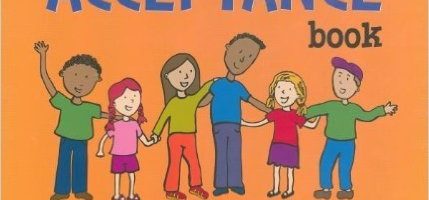
You can also work through the Autism Acceptance Book with your child to help them understand that we are all different and also all the same.
Sharing a short excerpt about what you read on social media, or encouraging a friend to read it too helps to spread the word about reasons to celebrate having autistic people in our lives.
Get to Know the Autistic People in Your Life
Sometimes Autistics find it difficult to build and maintain social relationships, but that doesn’t mean they don’t enjoy the company of others.
Families of Autistic children sometimes find it difficult to connect with other families. You can take the first step and make socializing a little easier.
Invite an Autistic person in your life or their whole family over, or find out what they like to do and join them. You can take the first step and make socializing a little easier.
[insert divider here]
Whatever we choose to do, may we all find a way to celebrate all that Autistics bring to their families and communities, and all that they could bring if given the opportunity.