DIR Capacity 1: Self Regulation and Interest in the World
Each child is a unique individual. Kids with autism are no exception.
The “I” in DIR spotlights how important it is to understand how each child interacts with their world, so that they feel comfortable and curious. Children who are comfortable and curious are ready to learn.
The idea to understand is regulation. Self-regulation is the ability to set aside distractions and concerns to focus on the task or situation at hand. This includes a lot of things, including:
- Self awareness
- The ability to deal with emotions
- Flexibly adapting to new situations and expectations
- Learning to cope with unexpected changes
- Relaxation and stress management strategies.
All children need help learning how to self-regulate. Before we can start to help, we need to understand what our child’s unique strengths, interests, and needs are. Here are some things to think about:
1. Health
None of us can be at our best when we aren’t feeling well. Kids who are still learning to communicate have an added problem: they often cannot tell us how they are feeling. So we have to be detectives to figure out what’s going on.
Sleep Patterns
We all know that sleep is important for overall health and daily functioning. It is not unusual for children with autism and other developmental differences to have problems with sleep. Most parents are already aware of the importance of routines such as regular bedtimes, wind-down time and avoiding screens in the evening. The tightness or weight or texture of pyjamas or bedding might make a difference. Sometimes medications like melatonin or even antihistamines (if there is also an allergy) may help – check with your doctor.
Nutrition
You are what you eat, they say, and certainly the food we take in affects our overall health.
There is a subset of people with autism who seem to have gastrointestinal issues, and for those people, changing their diet can be a big help. But if you do, make sure you seek the advice of a doctor or dietician. It’s easy to become malnourished if you cut out major nutrient groups without replacing them appropriately.
Illness or Injury
Sometimes a bad day or lack of interest in activities can signal that a child is fighting off illness. They may need some extra rest and time to get better.
For children still learning to communicate, it’s important to be a good observer. A child may not be able to tell you what is bothering them, and children with sensory differences might have a higher tolerance for pain. For example, my 3-year-old once came home from a music class with a metal rod in his foot. The only clue I had was that he wasn’t putting his foot down all the way. It’s a good idea to investigate changes in behavior or posture. If your child seems distressed over a period of time, take them to a doctor. Don’t let anyone write off changes in behaviour as a part of an existing diagnosis. If you’re worried, you’re probably right to be concerned.
Exercise
We sometimes forget how much of a difference fresh air and physical movement can make. There are lots of ways to get some exercise; even just being outside every day and connecting with the natural world regularly can make a big difference.
Dental Health
Anyone with a toothache knows how hard it is to ignore. Teach dental hygiene habits, take your child to the dentist regularly, and while you’re at it, don’t forget the optometrist either. If they are anxious about these visits, ask others for referrals to understanding professionals and try making a social story to prepare and reassure them.
2. Energy Levels
Everybody has a natural energy level. Most of the time we are able to keep ourselves alert enough to function well, but not too distracted and energetic to focus. All of us do things like fidgeting or moving around to alert ourselves; if we’re too restless, we might pace the room or go for a walk.
For autistic children, energy levels can be either too low (sleepy, mellow, inattentive) or too high (overactive and hyper) at different times of the day. These kids haven’t yet learned how to regulate themselves, and so they need help from the adults in their lives. Strategies might include time outdoors, exercise or movement breaks, fidget toys, seating that allows for movement or extra support, an object to put weight on the body, and so on. Energy levels can change through the day. We can look for patterns and make adjustments to their day accordingly. What works depends on the child’s unique personality.
3. Sensory Processing
Children and adults with autism often have a sensory system that is over- or under-sensitive in different ways and at different times, depending on their inner and outer environment. Observation can tell us which senses are affected, and how much.
The external senses (sight, hearing, smell, taste, and touch) inform us about the world around us. Everyone has different comfort levels with each sense (think of how loud music can bother some and not others).
In addition to the five senses that help us observe our world, there are also two internal sensory systems: vestibular and proprioceptive. The vestibular system (controlled in large part by canals within the inner ear) tells us how our body is oriented in space. Someone who is oversensitive would become dizzy easily; someone who is under sensitive might seek out thrill rides. The proprioceptive system uses nerves in muscles, joints and tendons to help us know how our body is positioned. You can tell if someone is under sensitive if they like to hold on to things, or seem uncertain in movement activities. They might seem to have a body made of molasses, often appearing fatigued.
4. “I” is Also for Interests
Attending and learning is always easier when the topic or activity is somewhat familiar and we have an interest in it. What does your child like? What are they already able to do? It’s worth noting that children build interests by being exposed to activities, so it helps to give your child opportunities to observe and try new things.
5. Emotional Climate
If our children are in a setting in which they routinely feel like they cannot contribute or keep up, if they feel unwelcome, if they have trouble joining in or don’t feel like anyone hears or understands them, then they aren’t going to be ready to focus.
All children need to feel like they belong. They need to feel like it’s safe to try things. That feeling of belonging comes from supportive relationships with adults, a sense that their interests and ideas are valued, and positive relationships with peers. There are strategies to develop all these things – it just takes a willingness to learn and to take the time.
“All kids have a range of arousal or alertness that works for them, and this helps them go through their days with minimal meltdowns. But with autism, that optimal range is pencil-thin, and kids move through it tooo fast for us to use it to their advantage. They might go from under-alert to over-alert in a matter of minutes, passing through the optimal range for just a few seconds. Part of treatment is increasing the size of that optimal range so kids can actually do something productive, learn something productive, during it.”
- Marge Blanc, Natural Language on the Autism Spectrum, page 137
Capacity 1 in DIR/Floortime is about the child’s ability to regulate their emotions, attention, and energy level. As the list above makes clear, there is a lot to think about. But it’s important to take the time to consider how your child perceives and responds to their world. If there is a problem with any of the above aspects of regulation, it can seriously hinder a child’s ability to relate to others, to observe and to learn.
As parents and teachers, we are never done thinking about these things, and in fact, they’re important for every learner, not just for children with autism.
Thanks to Andrea Wiebe and Jackie Parsons for contributing ideas and links for this article, and to Daria Brown of Affect Autism for reviewing the content.
Further Reading
There are many, many books, websites, and articles on the topics of regulation, learning styles, dietary health, and sleep. But here are a few you can start with:
Kranowitz, Carol. The Out-of-Sync Child: Recognizing and Coping with Sensory Processing Disorder.
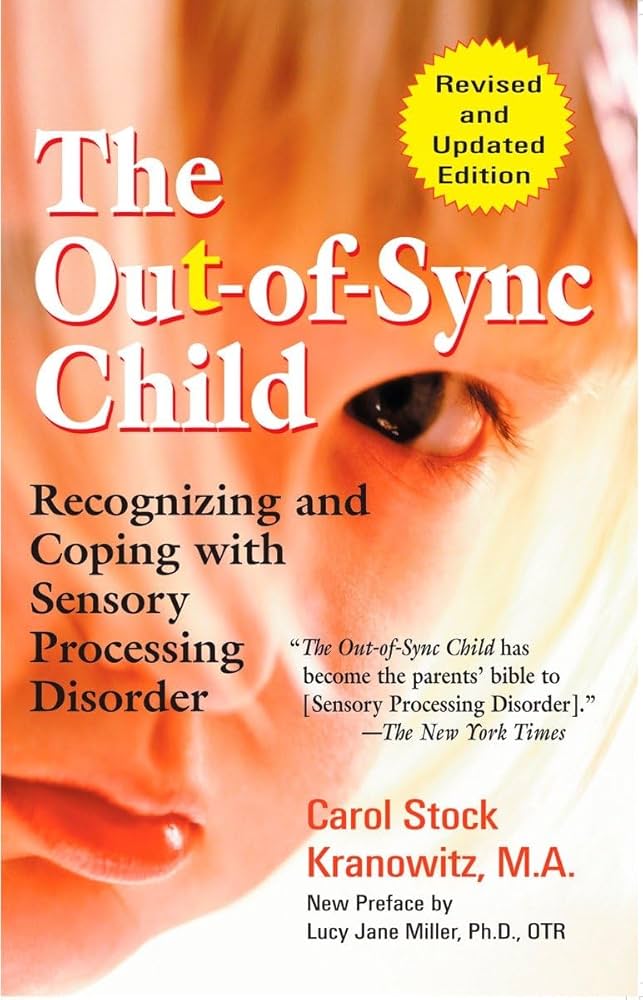
Carol Kranowitz is one of the pioneers who brought sensory processing to the awareness of parents and educators. She has written a lot of books on sensory processing. This is the one in which she explained it first.
Aquilla, Paula. Building Bridges through Sensory Integration: Therapy for Children with Autism and Other Pervasive Developmental Disorders

This highly-recommended book breaks down sensory integration, gives you help identifying sensory problems, and gives strategies for managing difficult behaviour, self-care, working with kids in home, school and childcare settings, and suggests activities and equipment for sensory development.
Kerstein, Lauren H. My Sensory Book: Working Together to Explore Sensory Issues and the Big Feelings They Can Cause: A Workbook for Parents, Professionals, and Children.
This interactive workbook helps children to develop a better understanding of their sensory systems by showing their parents and teachers how to create an individualized sensory profile. A practical tool for both home and school.
Robinson, Ricki. Autism Solutions: How to Create a Healthy and Meaningful Life for Your Child.
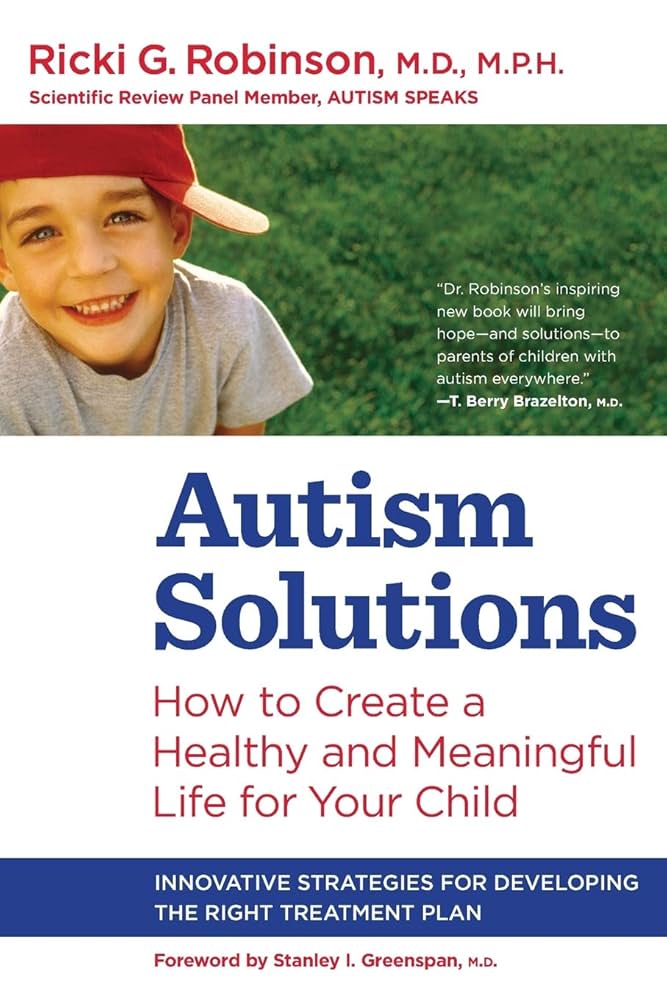
This book is written by a medical doctor who focuses on autism in her practice, and who has a DIR/Floortime background. It’s like a “what to expect” book for parents with kids who have autism. It addresses lots of the medical issues like gastrointestinal disorders and sleep.
Shanker, Stuart. Calm, Alert, and Learning: Classroom Strategies for Self-Regulation
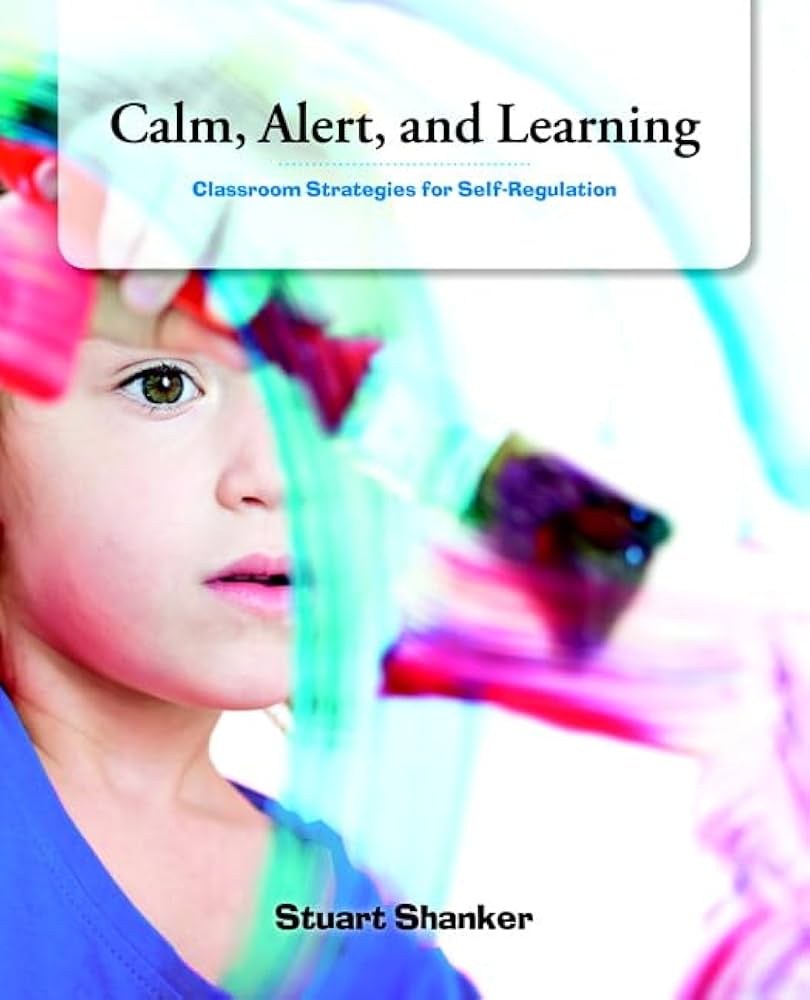
Dr. Shanker is a Canadian researcher who focuses on DIR-type autism interventions and self-regulation in schools. Here he lays out what regulation support can look like in school settings. He has a website.
Kluth, Paula. You’re Going to Love This Kid!
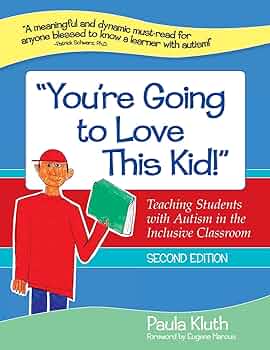
Paula Kluth is an excellent advocate and supporter of inclusive education for children with autism, and has a lot of books and an excellent website. A section of this book addresses regulation and social and emotional support. It also addresses incorporating interests into school activities.